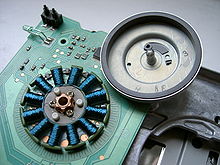
A brushless DC electric motor (BLDC), also known as an electronically commutated motor, is a synchronous motor using a direct current (DC) electric power supply.
The choice between brushed and brushless tools comes down to your needs and usage: • Go with a brushed tool if you’re a casual DIYer working on simple home projects and repairs. • Opt for a brushless tool if you need more power, longevity, and efficiency—perfect for large-scale projects, renovations, or professional use.
But, what is a brushless motor, and what's so special about it anyway? For starters, brushless motors operate with more efficiency, enjoy more longevity, and improved performance when compared to a brushed motor alternative [source: Beacham].
Brush and Brushless motors are both DC motor types that convert electrical energy into mechanical energy through the interaction of magnetic fields. A brushless motor, as the name suggests, is a motor that does not use brushes to convert electrical energy to mechanical work.
A brushless DC motor (BLDC) is an electric motor powered by a DC voltage supply and electronically commutated instead of brushes as in traditional DC motors.
At its core, it refers to a type of electric motor that operates without using carbon brushes, which are found in traditional motors to transfer electrical current through mechanical contact. By removing these brushes, brushless motors eliminate friction, reduce wear, and improve overall efficiency.
Learn about the working principle & structure of brushless motor, their main advantages over brushed motor, and their applications in drone, smart home device, etc.
Brushless motors produce motion through electronic commutation by using electronics to switch current instead of mechanically switching current with a commutator and set of brushes.
A brushless DC motor has a permanent magnet in the rotor and wound coils in the stator, whereas a brushed DC motor is the opposite, with wound coils in the rotor and a permanent magnet in the stator.
Brushless motors are synchronous electric motors that have a magnetically (AC induction) or electronically (DC) controlled commutation system instead of a brush-based mechanical commutation system.